Photo Story · Dr Anil Kumar
High-Altitude Birding in Ladakh
A June expedition — planning, species, and altitude sickness care
Ten days across the Ladakh plateau in June — from the Indus valley at Leh to the salt flats of Tso Kar, by way of Wari La, Pangong and Hanle. What follows is the route, the species, and the practical business of staying well enough at altitude to actually hold a camera steady.
Before anything else: managing Acute Mountain Sickness
Nothing in this account matters if you cannot function. Altitude is the first subject you have to master.
The golden rule of acclimatisation. Rest completely for the first 24–36 hours after landing. Do not attempt any physical excursion in that window. No exceptions — even locals follow this. Plan the whole trip around that rest period.
Hydration. Four to five litres of water daily. The extremely dry, thin air drains fluid rapidly without any visible sweating.
Diet. Light, clean, home-cooked meals. Heavy food strains digestion when oxygen is low.
Alcohol. Avoid it entirely. It accelerates dehydration, suppresses breathing, and — critically — masks emerging AMS symptoms.
Medication. Consider Diamox, strictly under medical guidance.
Gear and clothing
The three-layer formula. Base layer that wicks moisture, a fleece or insulating mid layer, and a windproof, waterproof outer shell. High-altitude weather changes in minutes; layering is what lets you adapt instantly.
Power backup. Carry high-capacity power banks, and keep spare batteries in inner pockets close to body heat. Freezing temperatures drain camera and phone batteries dramatically faster.
Equipment protection. Heavy-duty rain covers on every bag, and lens cloths somewhere you can actually reach. Mountain showers and dust arrive without warning.
Logistics that actually matter
Start early — on the road by 5:00–6:00 AM. Move before tourist convoys and heavy trucks bottleneck the narrow passes.
Respect the glacial streams. Glaciers melt continuously as the sun gains strength. A crossing that is safely shallow at 7:00 AM can be an impassable torrent by 2:00 PM.
June 11–12 — Arrival and the Indus valley
Landed at Leh at 1:30 PM and transferred directly to accommodation for complete rest. Stayed at Gasha Homestay, Spituk, hosted by Mr Choldan Gasha and Mrs Rinchin Gasha — garden-fresh food and excellent hospitality.
The following day: river banks, marshes and ponds near Gurdwara Pathar Sahib.
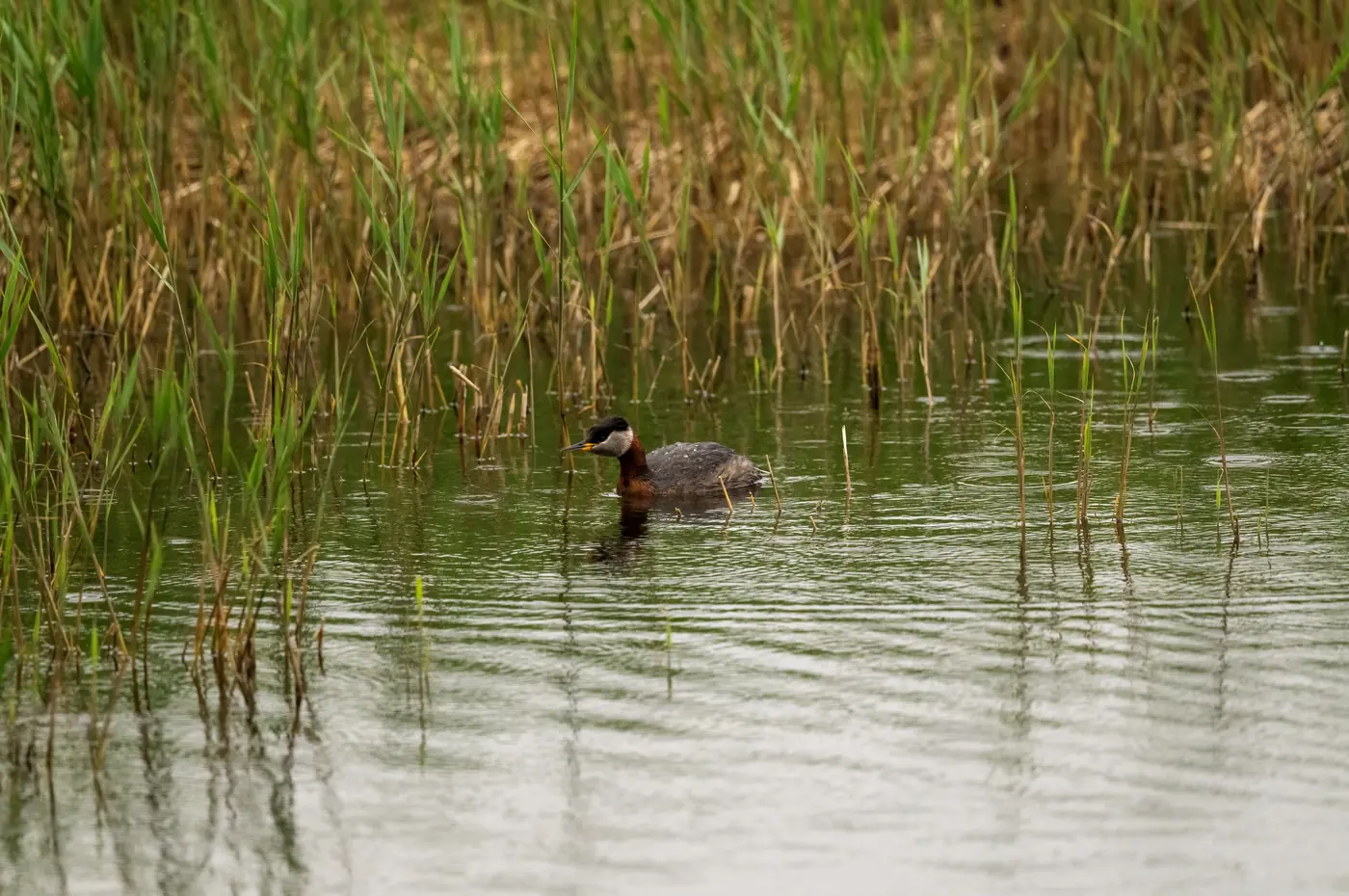
Sightings: Mountain Chiffchaff (Spituk), Mongolian Finch, Red-crested Pochard, Red-necked Grebe, Whimbrel, Carrion Crow, Common Cuckoo.
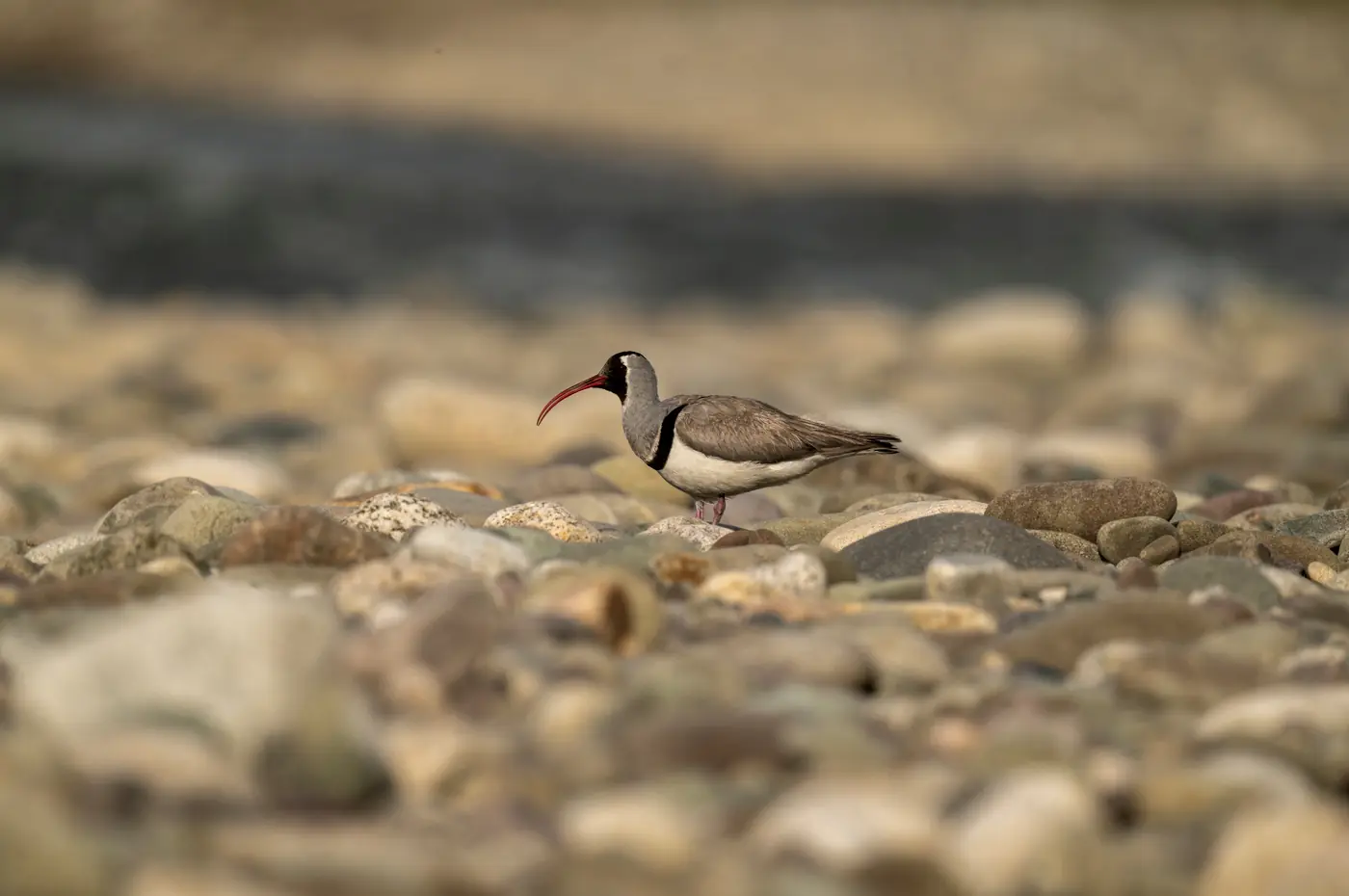 The Ibisbill — the bird that makes the whole river-shingle habitat worth
walking.
The Ibisbill — the bird that makes the whole river-shingle habitat worth
walking.
June 13–14 — Into the valleys
June 13: Leh to Agam via Wari La, a high mountain pass transit with extensive en-route birding. Stayed at Agam Homestay.
June 14: Agam to Shakti village via Khem — steep rocky terrain, streams and village edges. Stayed at Solpon Guest House.
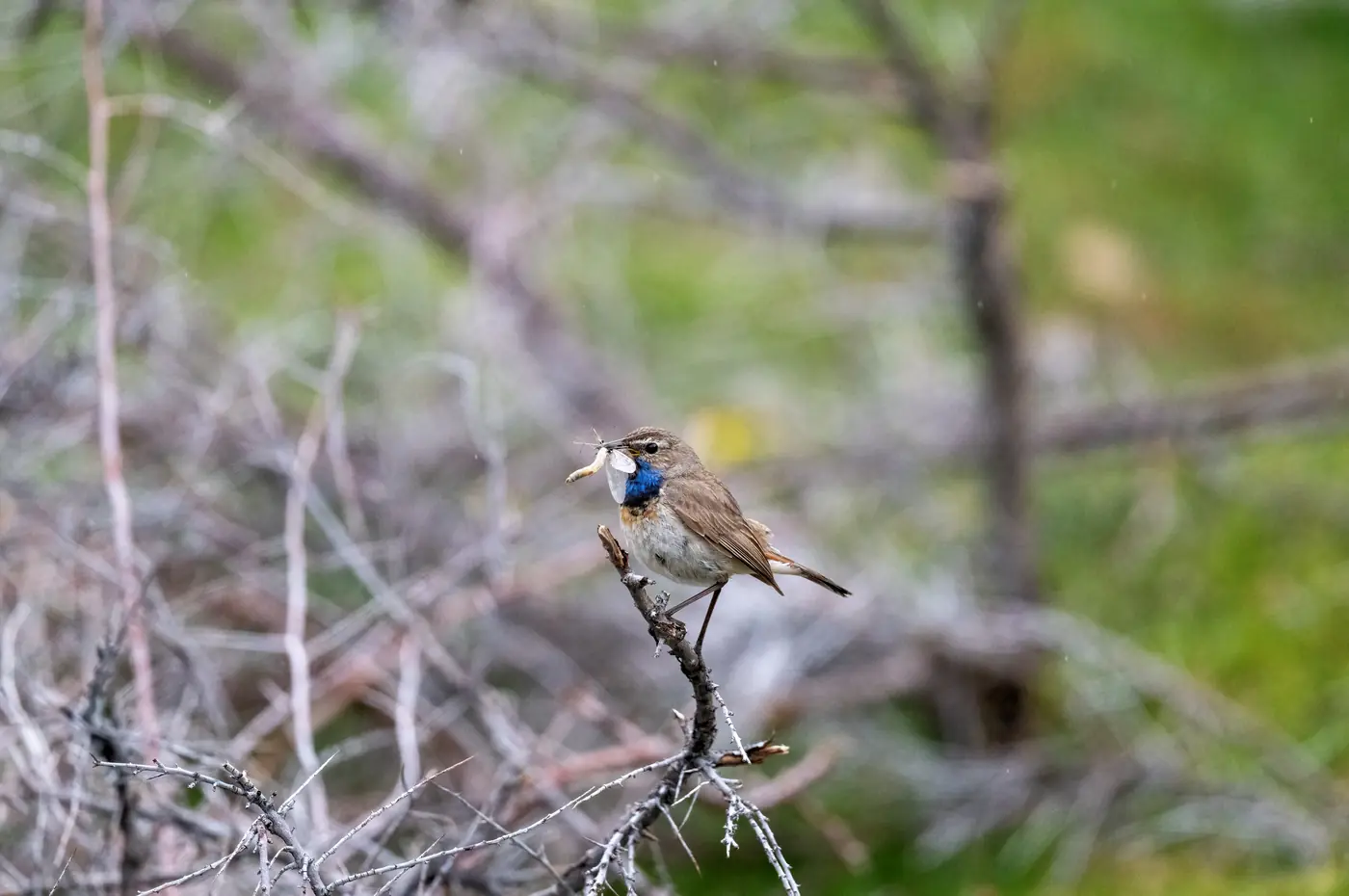
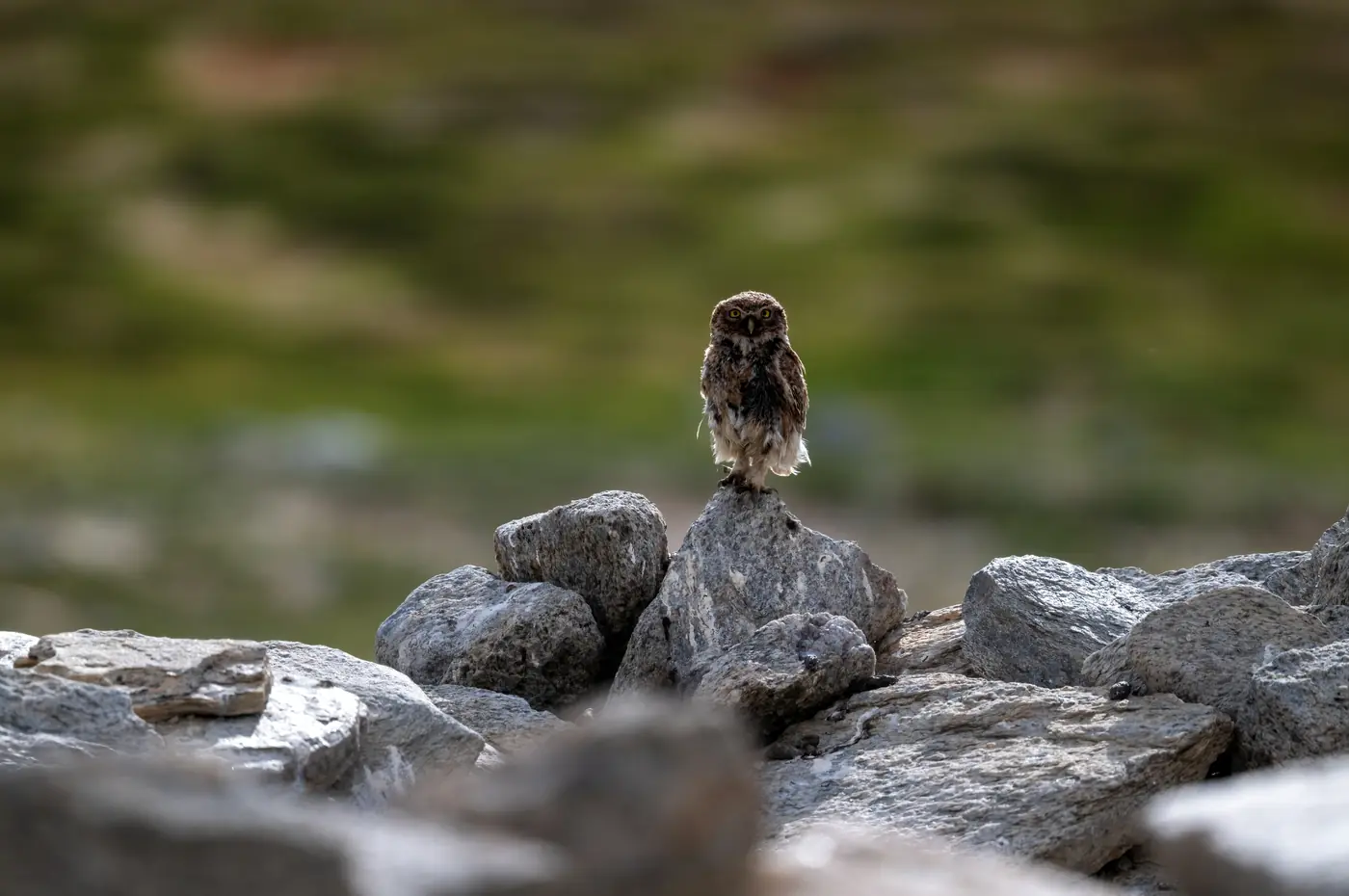
Avian targets: Eurasian Hobby (mating), Common Kestrel, Chukar, White-winged Redstart, Bluethroat, Bearded Vulture, Sparrowhawk, Golden Eagle, Wallcreeper, Yellow-billed Chough, Little Owl, Tibetan Partridge, Horned Lark, Eurasian Wren, Eurasian Skylark.
Mammals: Woolly Hare, Blue Sheep, Plateau Pika, Red Fox.
June 15–16 — The high passes and lakes
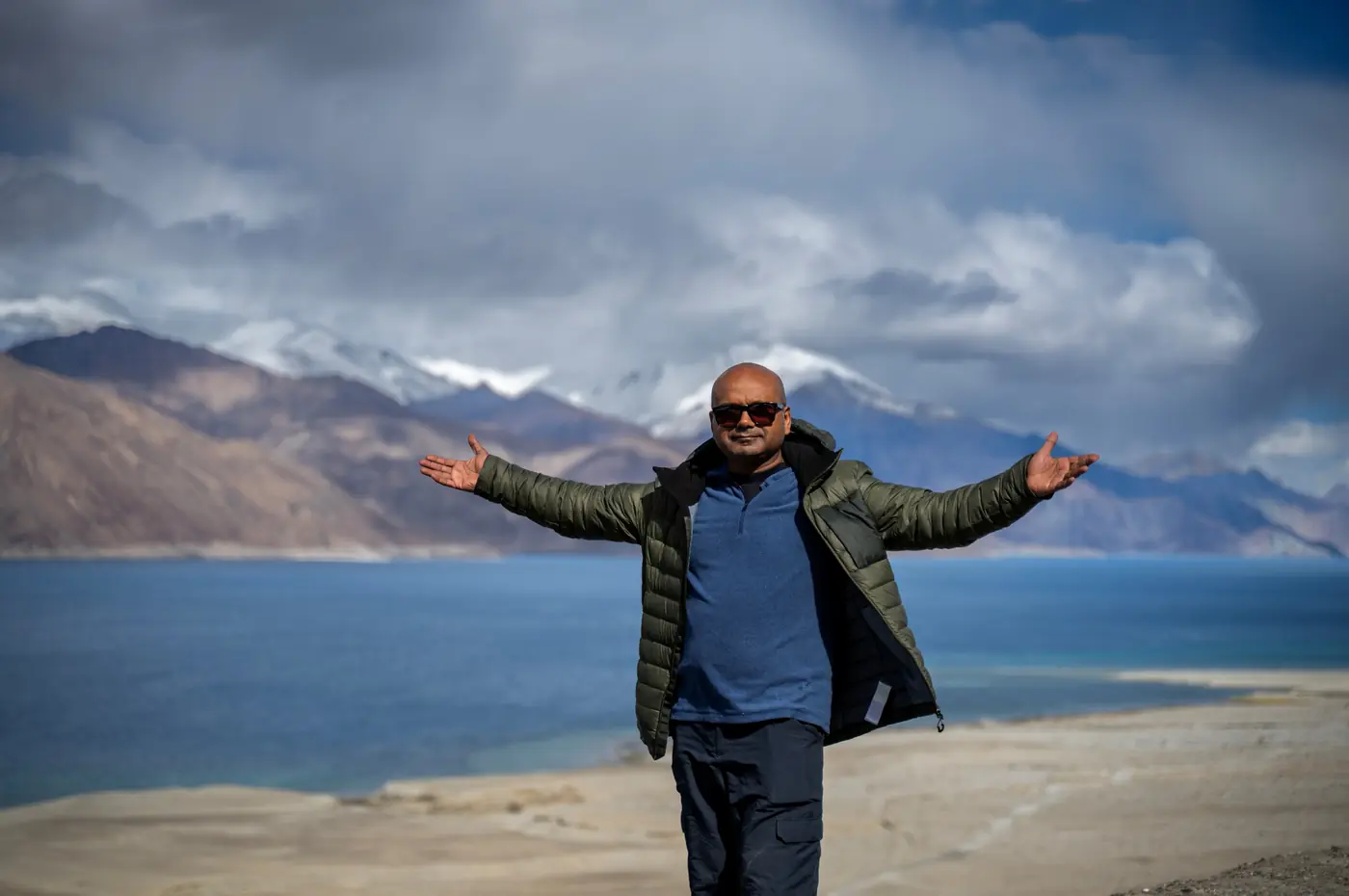
June 15: To Pangong via Chang La, crossing serious height to reach the lake basin. Stayed at Merak village with the Aragali family.
June 16: Pangong to Hanle via Dungti and Nurbula Top — a long, demanding off-road run across high plateau.
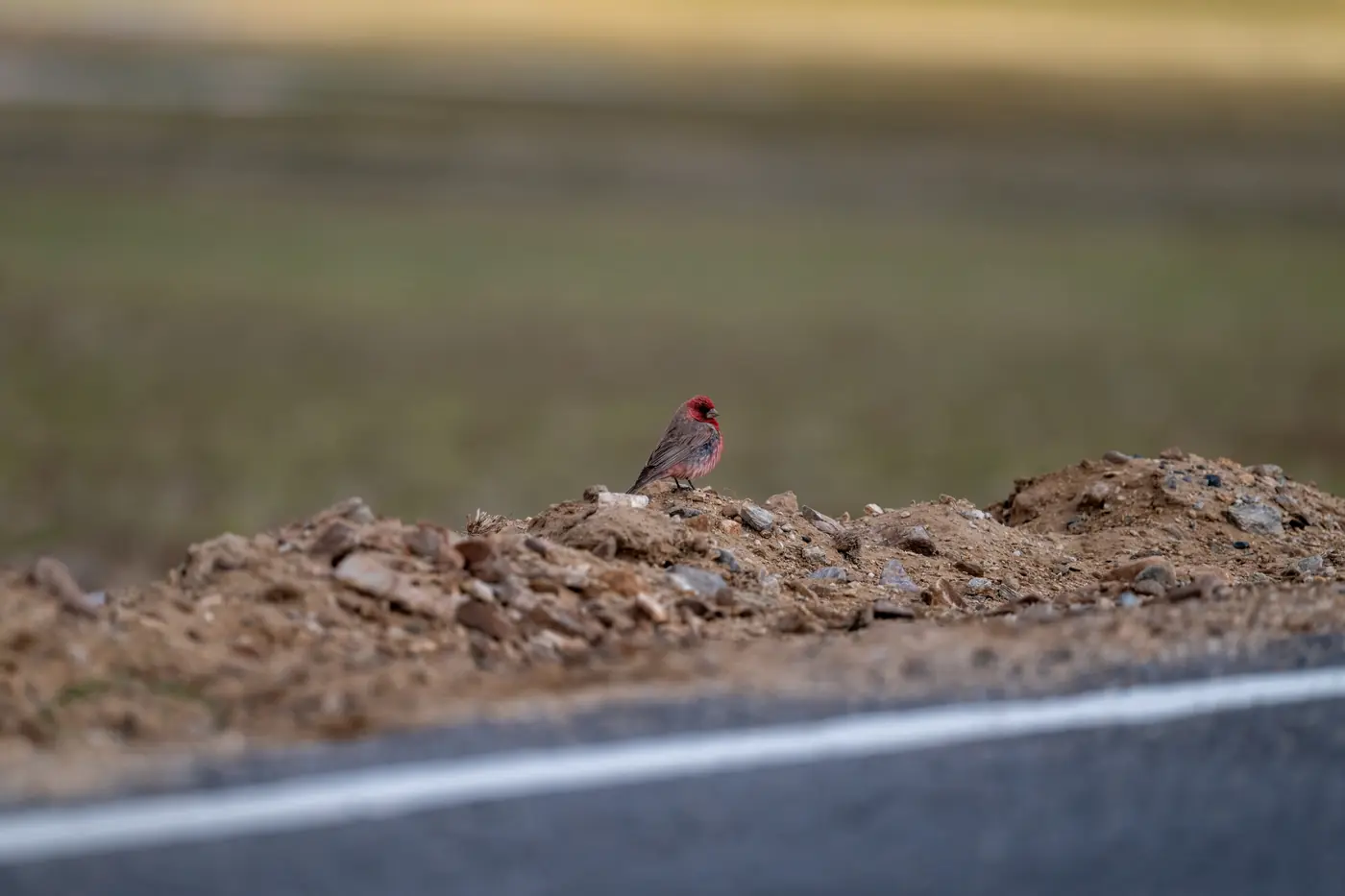
Highlights: Himalayan Snowcock, Tibetan Snowcock, Rosefinch, Alpine Accentor, Brown Accentor, Brown Dipper, Common Merganser, Ruddy Shelduck, Chinese Rubythroat, Desert Wheatear, Tickell's Leaf Warbler, European Bee-eater, Common Tern, Black-necked Crane.
Mammals: Blue Sheep with lambs, the first Kiang (Tibetan Wild Ass), Tibetan Gazelle, Woolly Hare.
June 17–18 — Hanle and Tso Kar
Two days on the salt lake systems — and the trip's outright success: two separate successful tracking operations for Pallas's Cat, sighted on both days. We also witnessed a great high-altitude migration of yaks, and explored the fragile salt flats and marshes of Tso Kar.
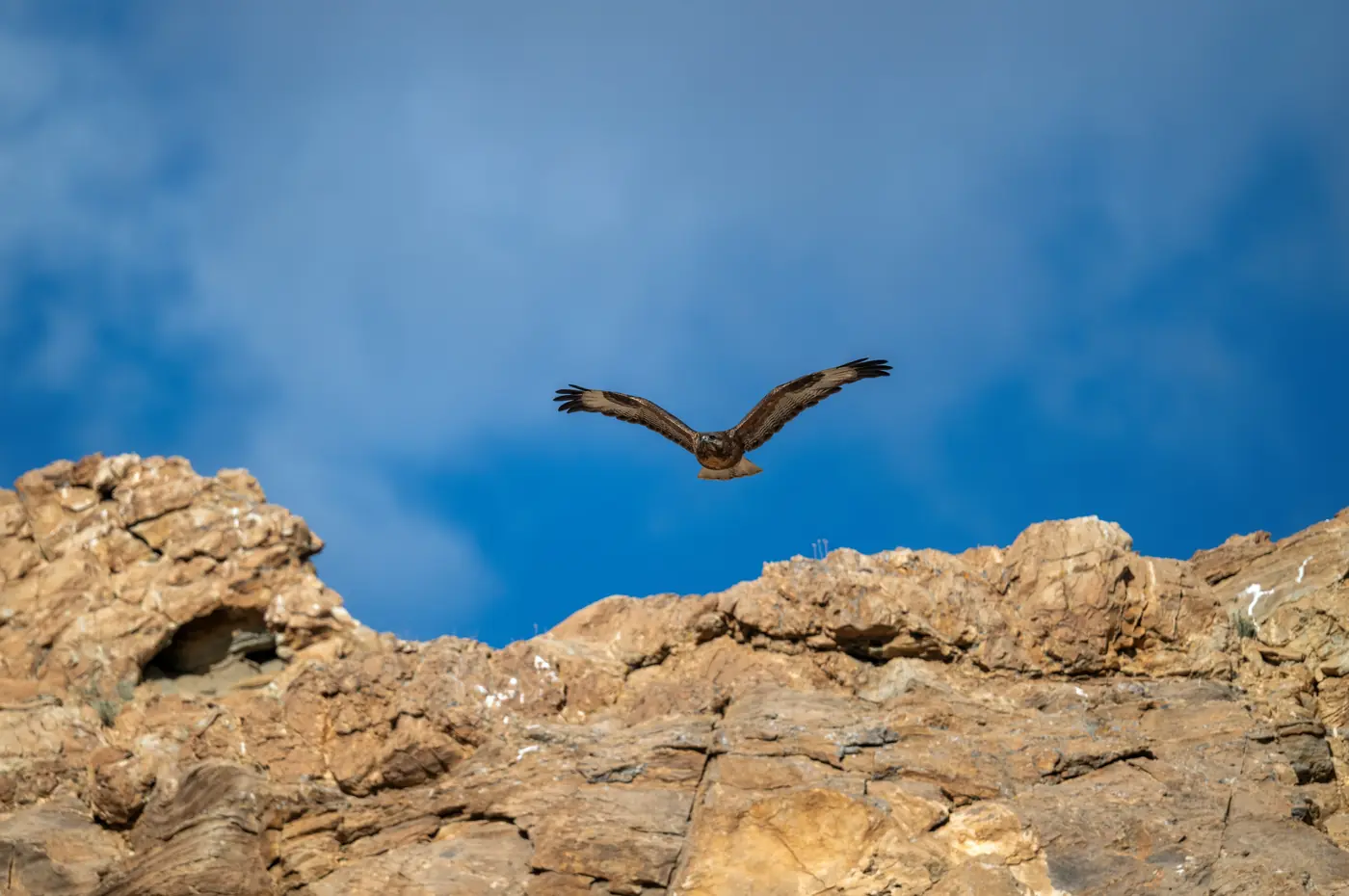
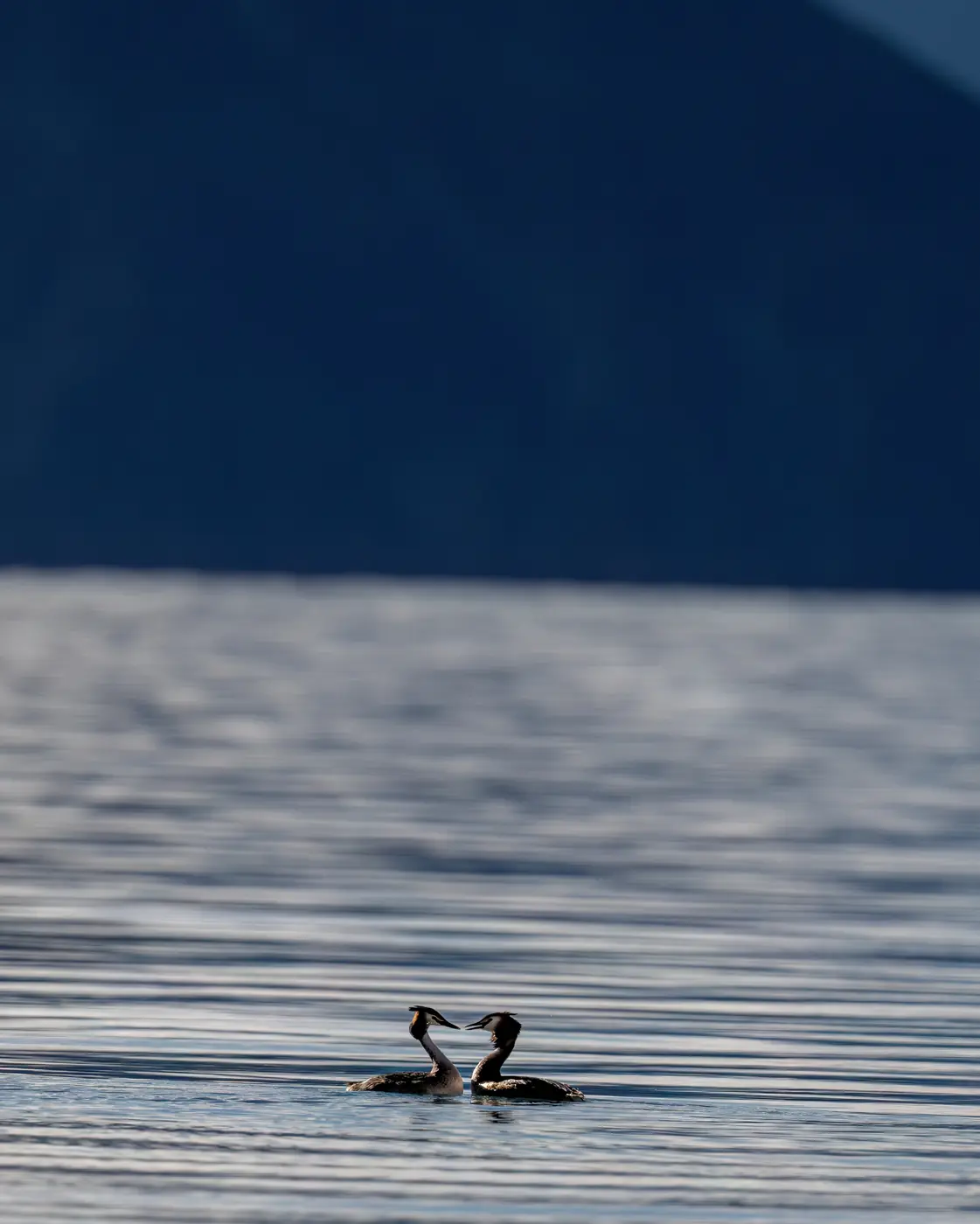
Sighted: Marmot, Tibetan Lark, Upland Buzzard (with chick), Daurian Starling, warblers at the lucky tree, Black-necked Crane (with chicks), Red-fronted Rosefinch, Ruddy Shelduck (with chicks), Bar-headed Goose, Blanford's Snowfinch, Ground Tit, Common Kestrel, Great Crested Grebe, Shaheen Falcon, Little Owl, Common Raven.
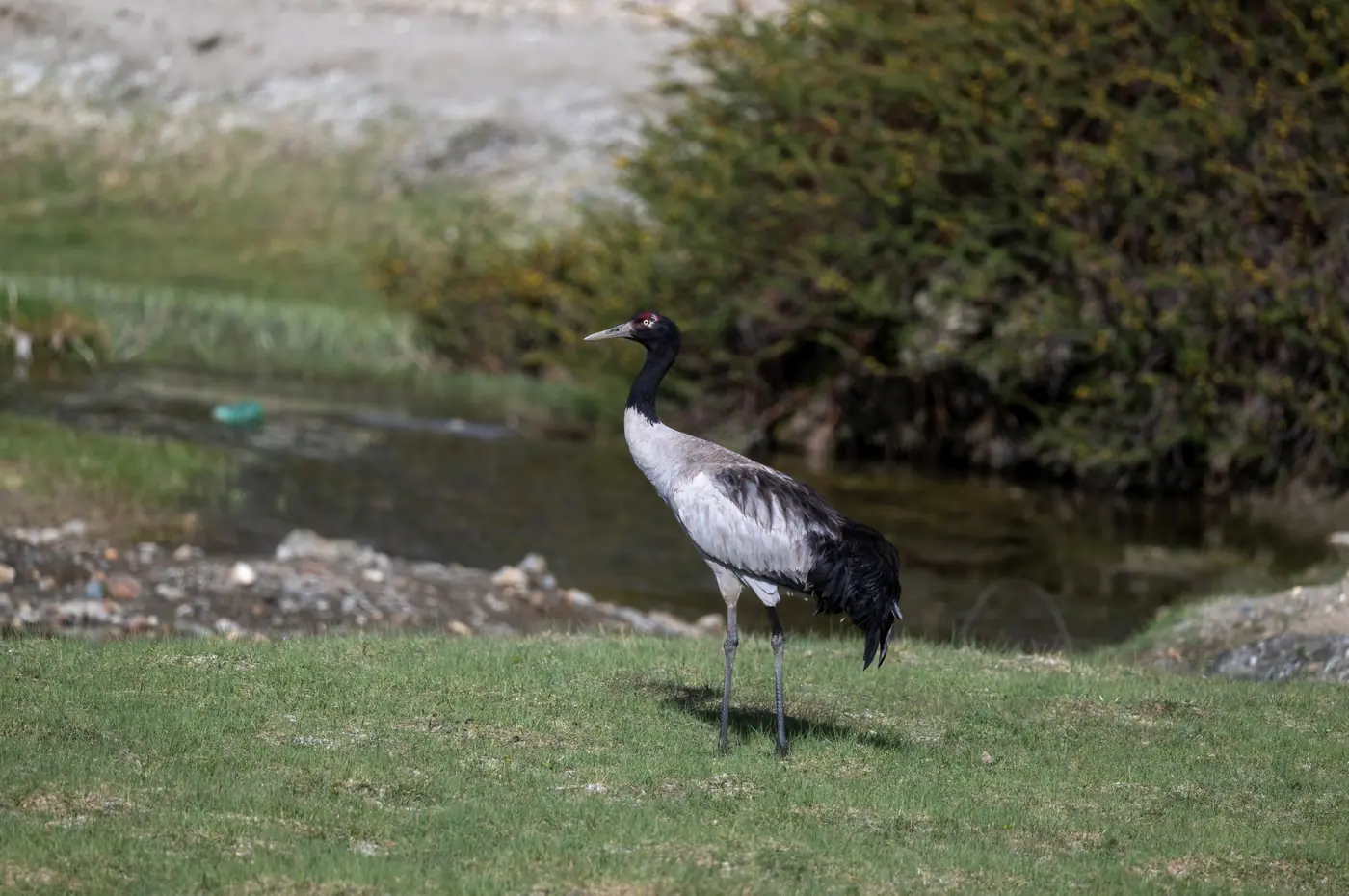 Black-necked Crane — India's only high-altitude breeding crane, and a species
that demands real distance from photographers.
Black-necked Crane — India's only high-altitude breeding crane, and a species
that demands real distance from photographers.
June 19–21 — Homeward
June 19: Tso Kar to Leh via Tanglang La. Ladakh Pika, Himalayan Blue Sheep and Chukar Partridge on the way. Back to base at Gasha Homestay.
June 20: Chilling rock art and museum in the morning; Leh market in the evening.
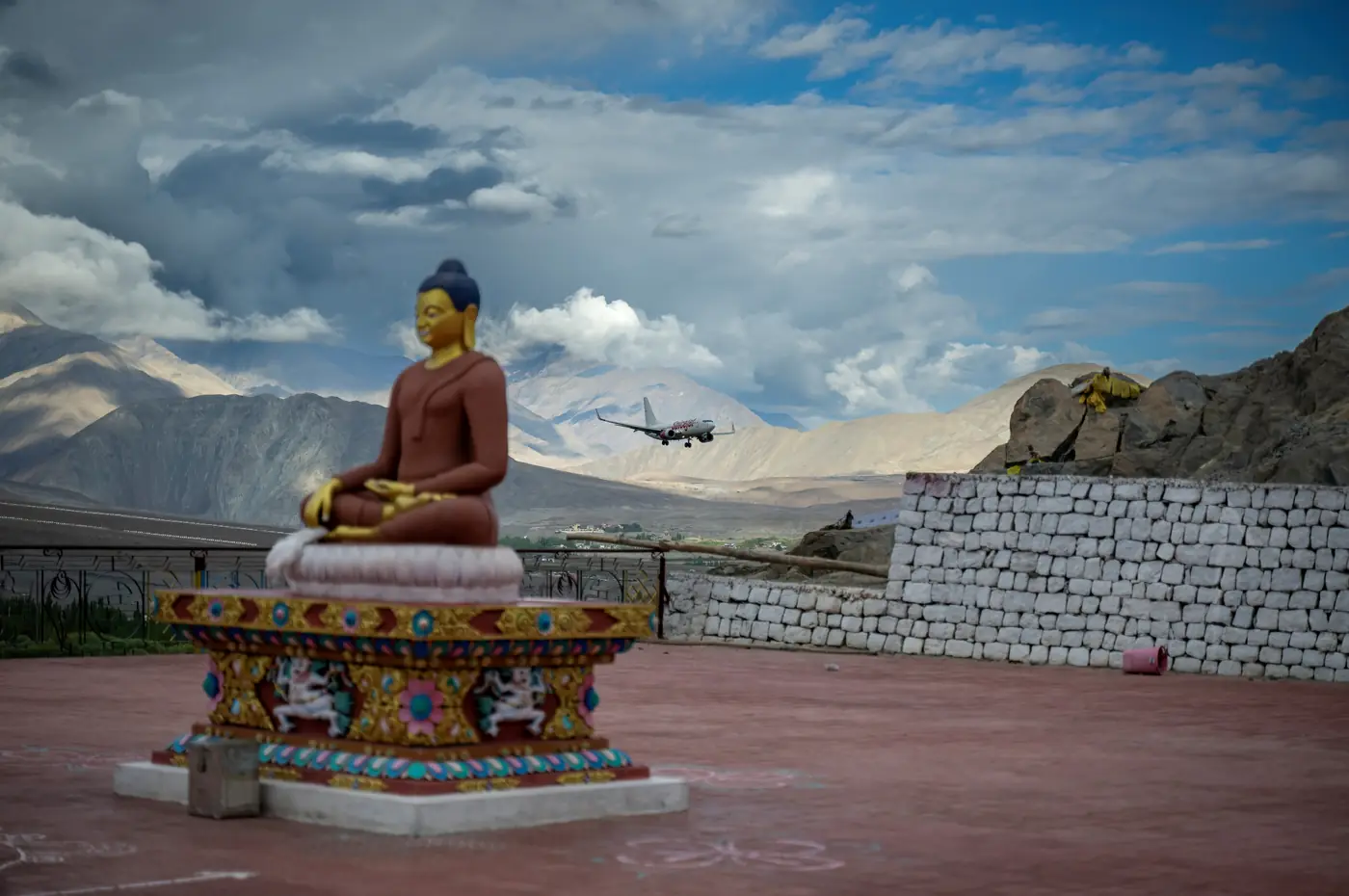
June 21: A last aviation photography session from Spituk Monastery, then the flight out.
After dark


Key takeaways
Respect the extreme altitude. Safety, hydration and acclimatisation take absolute priority over securing a wildlife photograph. Always.
Drive local conservation economics. Choosing authentic, family-run homestays — Gasha, Agam, Solpon — gives you unmatched field insight while supporting local livelihoods directly.
Practise uncompromising ethics. Keep a strict, non-intrusive distance from fragile breeding habitat — nesting Black-necked Cranes and Pallas's Cat dens above all.
Photographs and text © Dr Anil Kumar. Published on WPCI with the photographer's permission. All rights reserved.